
Schools
St. Paul Board of Education to hold special meeting amid pushback on ELL educator cuts
By Marcus Chen
Advertisement · Why this ad?
Marcus manages the day-to-day editorial workflow across all brands, coordinating coverage assignments and ensuring editorial standards are met. He previously served as city editor at the Pioneer Press and holds a degree in Political Science from Carleton College.
More from Marcus →
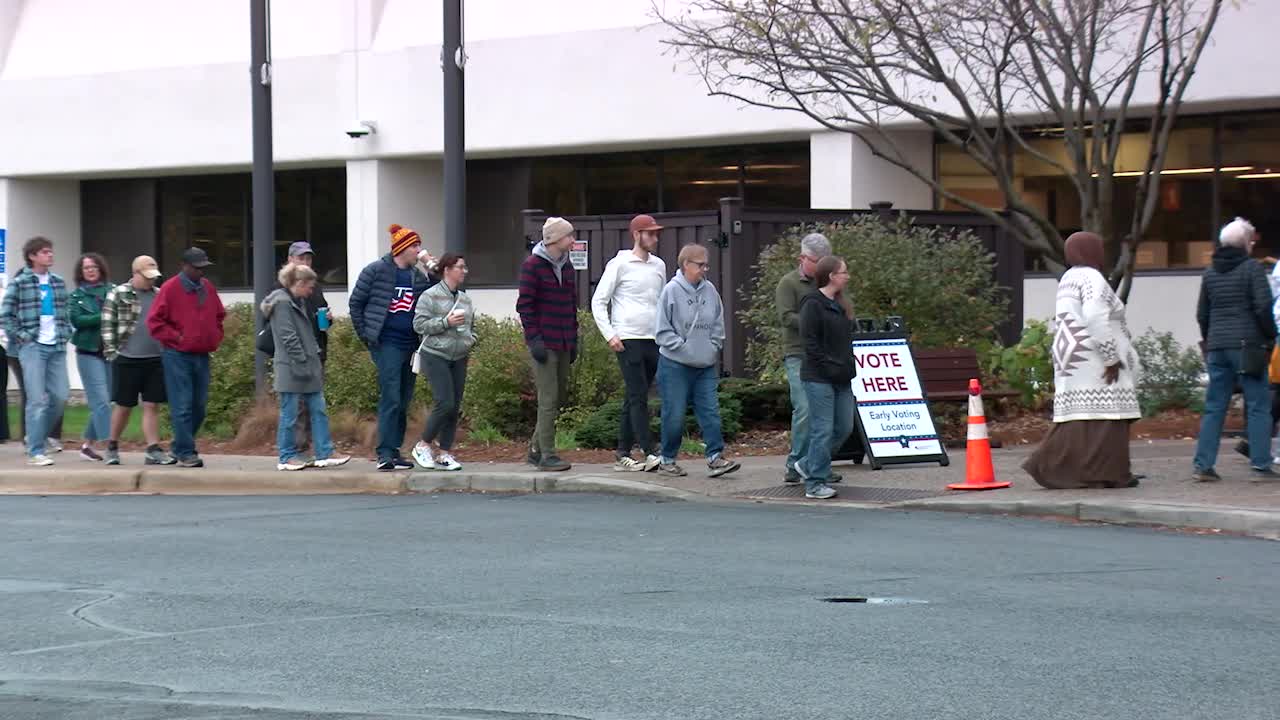
As the sun rises over Edina on a crisp November morning, parents gather outside Edina High School, clutching coffee cups and discussing the upcoming ballot measure that could significantly impact their children's education. The atmosphere is charged with anticipation as voters prepare to make a decision that could nearly double public school funding without raising taxes.
On Tuesday, Minnesota voters will decide on a bipartisan amendment aimed at increasing funding for public schools by adjusting the percentage drawn from the state's permanent school trust fund. Currently, 2.5% of this fund is allocated to schools each year; the proposed amendment would raise that figure to 4.5%. This change could provide districts with nearly double the funding they currently receive, a significant boost for many schools across the state.
The permanent school trust fund was established in 1858 when Minnesota became a state, following the federal government’s donation of millions of acres of land. The proceeds from the leasing of mineral rights and timberland have historically supported public education. Today, the fund has grown to approximately $2.3 billion, nearly quadrupling since 2010.
If the amendment passes, the trust fund could send nearly $116 million to Minnesota's public schools, nearly doubling last year’s distribution of $58 million. This increase is vital for districts struggling with tight budgets and rising costs.
The financial implications of this amendment vary widely across districts. For smaller districts like Bagley Public Schools, the increase would be modest, with funding rising from about $61,000 to just over $90,000. In contrast, the Anoka-Hennepin School District, the largest in the state, would see a significant boost of over $1.3 million, raising its allocation from $2.5 million to $3.8 million.
Christine Tucci Osorio, the superintendent of the North St. Paul-Maplewood-Oakdale School District, emphasizes the critical nature of this funding. “When I say every single dollar counts, I am not even kidding you,” she said. “We have conversations, really rigorous conversations about who gets to print on a piece of colored paper. We’re at that level of detail in our budgets right now.” If the amendment passes, her district could see its funding increase from $713,000 to $1.058 million.
The potential increase in funding is not just a number on a spreadsheet; it translates to real impacts on classrooms and students. Schools can invest in essential resources, hire qualified teachers, and enhance educational programs. With many districts facing budget cuts, this amendment represents a lifeline, allowing them to maintain or even expand educational offerings.
However, not everyone is on board with the proposed amendment. Some opponents argue that increasing distributions from the fund could deplete its resources over time. They warn that while the fund has historically earned about 8% annually, a higher payout could threaten its long-term viability. Supporters, however, counter that the fund's growth trajectory remains strong and that the immediate benefits to public schools outweigh potential future risks.
In Edina, the community is abuzz with discussions surrounding the amendment. Local parents, educators, and community leaders have rallied in support of the measure, recognizing its potential to enhance educational opportunities for children. Many see this as an investment in the future of their community.
“We need to prioritize our children’s education,” said local parent Sarah Johnson. “Every child deserves access to quality resources and experienced teachers. This amendment could make a real difference.”
Community organizations have also stepped up, hosting informational sessions and distributing literature to educate voters on the amendment's implications. The Edina Chamber of Commerce has expressed its support, emphasizing the importance of a well-funded education system in attracting families and businesses to the area.
Local businesses have joined the conversation, with many owners recognizing that a strong education system directly correlates with a thriving local economy. As part of their support, some businesses have offered to host events where parents can learn more about the amendment and its potential impacts. “Investing in education is investing in our workforce,” noted John Anderson, a local business owner. “We want to ensure that our future employees are well-prepared and skilled.”
Voters should be aware that if they choose to leave the question blank on their ballots, it will be counted as a “no” vote. This could have significant implications for the outcome of the amendment, making it essential for every voter to understand the stakes involved.
The amendment has garnered support from a wide array of stakeholders, including educators, parents, and business leaders. They argue that the increased funding will not only benefit current students but also contribute to the long-term health of Minnesota’s economy by fostering a well-educated workforce.
Additionally, the amendment has been framed as a non-partisan issue, with advocates from both sides of the political spectrum uniting in support of public education. This coalition underscores the widespread recognition that investing in education is a shared value that transcends political affiliations.
As the election approaches, the stakes could not be higher for Minnesota's public schools. If the amendment passes, districts will have the opportunity to enhance their programs and services, directly benefiting students and families. This could lead to improved educational outcomes and a stronger community overall.
In the event that the amendment does not pass, the implications could be dire for many districts already struggling with budget constraints. Funding cuts could lead to larger class sizes, reduced programs, and potentially lower student achievement.
Regardless of the outcome, the conversation surrounding public school funding will likely continue, as communities assess their educational needs and advocate for solutions. Engaging in these discussions is vital for ensuring that the voices of parents, educators, and students are heard.
For those looking to educate themselves further on the amendment and its implications, resources are available. The Minnesota Department of Education provides comprehensive information on school funding and the amendment’s potential impact. Additionally, local school districts have published their own analyses of how the amendment could affect their budgets and programs.
Voters can also access information through the Minnesota Secretary of State's website, which outlines the voting process and provides details on the ballot measure. Engaging with these resources can empower voters to make informed decisions that will shape the future of education in Minnesota.
As Edina residents head to the polls, the collective hope is that they will choose to invest in their children’s futures. The amendment represents not just a funding increase, but a commitment to the values of education, community, and the belief that every child deserves a quality education. The outcome of this vote could set a precedent for future funding initiatives, shaping the landscape of public education in Minnesota for years to come.
By Marcus Chen
By Katherine Langford

By Marcus Chen

By Marcus Chen